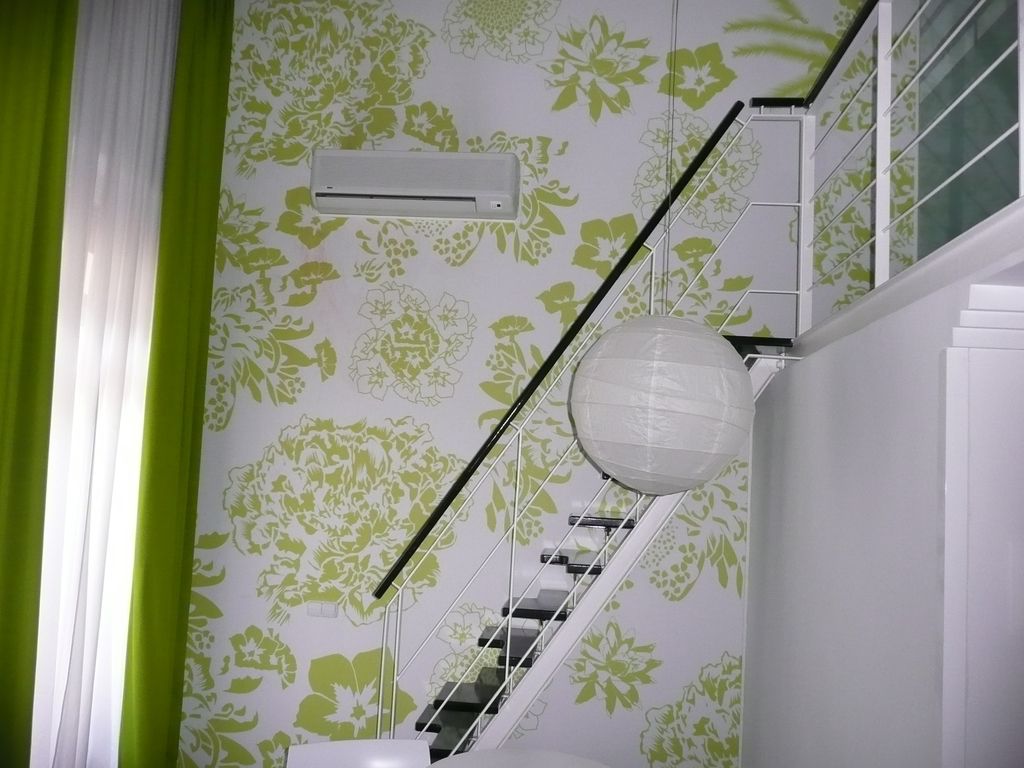
Stairs are one of the hardest working parts of a home, yet they are often the last thing anyone updates. Worn carpet, chunky spindles and a dark handrail can make a whole hallway feel dated. Because the stair sits at the centre of the house, refreshing it has an effect on every room around it.
Decide how far you want to go
A staircase makeover can be as simple as new paint and a runner, or as involved as replacing the balustrade and treads. Start by deciding whether the structure is sound. If the stair is solid and does not creak badly, you can usually keep the frame and change the parts you see.
Reveal or replace the treads
Under old carpet there is often softwood that was never meant to be seen. You can cap each step with new hardwood or engineered treads for a clean, modern finish. Oak, ash and walnut all wear well. A matt lacquer keeps the grain visible and is easier to live with than a high gloss.
Rethink the balustrade
Swapping heavy turned spindles for slim square balusters, black steel rods or a glass panel opens up the hallway and lets light pass through. Glass works especially well in narrow halls because it removes the visual barrier completely. A simple, continuous handrail in timber or powder-coated steel finishes the look.
Lighter, thinner lines make a stair feel like part of the architecture rather than an obstacle in the hall.
Add a runner for comfort and grip
If you love the look of timber but want warmth underfoot, a flat-weave runner fixed with slim rods or hidden clips gives grip and quiet steps. Choose a pattern or colour that links to the rest of your hallway.
Light it well
Low-level step lights or a soft LED strip under the handrail make the stair safer at night and look striking. A statement pendant hung in the stairwell can become the centrepiece of the whole entrance.
Do not forget the wall
The wall beside a stair is a large, uninterrupted surface. A bold paint colour, wall panelling or a patterned wallpaper turns it into a backdrop that pulls the whole design together.
Our carpenters and designers can help you choose materials and handle the work from start to finish, including safety rules for rail heights and gaps.